Articles

Published on
Image
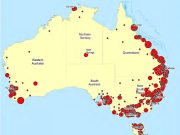
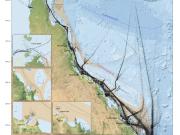
Shipping in Queensland Poster (NERP TE 13.1, eAtlas, AMSA)
This map shows the density of shipping traffic as measured by the Automatic Identification System (AIS). Each black dot on the map represents a reading of a vessel location taken each hour over a 3 month period in 2013. AIS is fitted to all large ships (cargo ships, container ships, bulk carriers, tankers, etc) and ferries (more than 12 passengers) and is optional for smaller recreational vessels.
Published on
Image
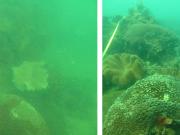
Pelican Island Site2 in 2011(left)  and 2014 (right)
The last decade in north Queensland has seen a striking contrast of summers of below median rainfall (2002-2006) and ‘big wets’ (2007-2012).
Published on
Image
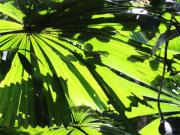
Daintree Palms

It will be no surprise to anyone who has visited the Wet Tropics World Heritage Area (WTWHA) that both visitors and the local Queenslanders love the place.
Published on
Image
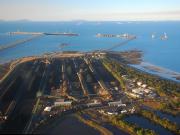
C Susan Curnock 2012 DSC 5403 LR

The Great Barrier Reef (GBR) region, including the people and industries it supports, is influenced by a range of drivers from global to local scales.
Published on
Image
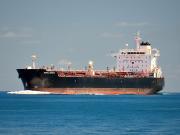
C Matt Curnock 2013 MIC 0590 Crop LR

The SELTMP 2014: Ports and Shipping in the Great Barrier Reef technical report presents a snapshot of socio-economic data and indicators relevant to the current state of ports and shipping in the Great Barrier Reef region.
Published on
Image
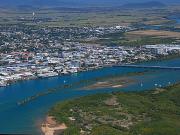
C Susan Curnock 2012 DSC 5452 LR

Coastal communities and the Great Barrier Reef (GBR) have a mutually beneficial relationship: proximity to the GBR allows easy access and a sense of connection to reef ecosystems.
Published on
Image
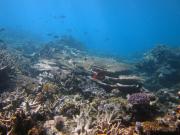
View of the upper reef slope showing a thriving coral community.

Corals are the back bones of coral reef ecosystems.
Published on
Image
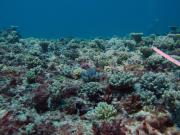
With this many juvenile corals (0-5cm) and teenage corals around, the coral cover at North reef is increasing.
Corals have an interesting life cycle and spend part of their lives floating around in the sea and part of their lives stuck to the reef. Adult corals are actually colonies made up of many organisms called polyps.
Published on
Image
Map of respondants

This project initiated a long-term monitoring program to document Australian perceptions about the Great Barrier Reef (GBR). A nationally representative online survey of more than 2,000 Australian residents explored individual attitudes about four key areas: inspiration, visitation, attitudes and perceptions of threats. Why the research is needed Increasing threats to the GBR have placed considerable importance on the creation of viable management and conservation outputs. In response, decision makers increasing rely upon public consultation to help inform decision-mak
Published on
Image
AshPalmCoveSurvey.jpg
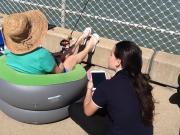
This dataset consists of the results of surveys of people to assess their use, dependency, wellbeing and perception of the Great Barrier Reef (GBR).
Published on
Image
(c)MattCurnock_IMG_2337_mr.jpg
The Great Barrier Reef (GBR) is an iconic international tourism attraction. A thriving, significant tourism industry has been a part of the Marine Park since the early 1930s when tourism resorts became popular.
Published on
Image
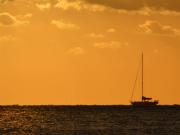
Sailing Whitsundays on sunset

The Great Barrier Reef World Heritage Area (GBRWHA) provides important and valued opportunities for recreation.
Published on
Image
Inshore Commercial fisher

One of the key user groups the SELTMP monitors is the commercial fishing industry operating the Great Barrier Reef (GBR) region.
Published on
Image
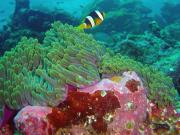
Amphiprion DSC 03955
Preserving biodiversity is an essential component of most conservation and environmental management strategies but what actually is biodiversity and why is it important?
Published on
Image
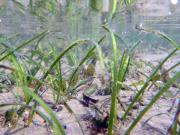
Halodule uninervis
Pesticides from agricultural sources have been detected throughout the year in the Great Barrier Reef World Heritage Area (RRMMP).
Published on
Image
Barren Is 674.jpg

It’s a classic conservation planning problem.
Published on
Image
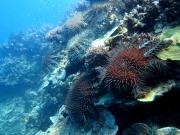
Acanthaster planci, COTS, feeding front
The crown-of-thorns starfish (COTS) (Acanthaster planci) feeds almost exclusively on hard corals and is endemic to coral reef ecosystems throughout the Indo-Pacific (Birkeland 1990).
Published on
Image
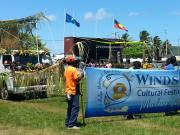
Windsofzenadth
The Winds of Zenadth Cultural Festival takes place every two years on Thursday Island.
Published on
Image
Pig Monitoring CSIRO
Feral pigs (Sus scrofa) are widespread in northern Australia.
Published on
Image
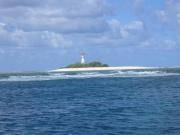
North Reef lighthouse
The coral reef islands on the southern GBR are a great place to start a family.