
Articles
Published on
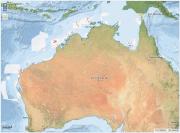
Researchers from Project D1 of the Marine Biodiversity Hub of the National Environmental Science Programme present this interactive map-based summary of where sponges are known to exist in the Commonwealth Marine Reserves of the N and NW regions.
Published on
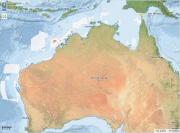
Researchers from Project D1 of the Marine Biodiversity Hub of the National Environmental Science Programme present this interactive map-based summary of where soft corals are known to exist in the Commonwealth Marine Reserves of the N and NW regions.
Published on
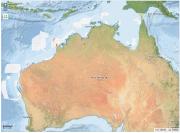
Researchers from Project D1 of the Marine Biodiversity Hub of the National Environmental Science Programme present this interactive map-based summary of where seabirds are known to exist in the Commonwealth Marine Reserves of the N and NW regions.
Published on
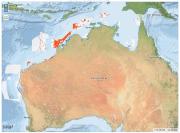
Researchers from Project D1 of the Marine Biodiversity Hub of the National Environmental Science Programme present this interactive map-based summary of where sea turtles are known to exist in the Commonwealth Marine Reserves of the N and NW regions.
Published on
Researchers from Project D1 of the Marine Biodiversity Hub of the National Environmental Science Programme present this interactive map-based summary of where polychaetes are known to exist in the Commonwealth Marine Reserves of the N and NW regions.
Published on
Researchers from Project D1 of the Marine Biodiversity Hub of the National Environmental Science Programme present this interactive map-based summary of where pelagic sharks & rays are known to exist in the Commonwealth Marine Reserves of the N and NW regions.
Published on
Researchers from Project D1 of the Marine Biodiversity Hub of the National Environmental Science Programme present this interactive map-based summary of where pelagic fish are known to exist in the Commonwealth Marine Reserves of the N and NW regions.
Published on
Researchers from Project D1 of the Marine Biodiversity Hub of the National Environmental Science Programme present this interactive map-based summary of where molluscs are known to exist in the Commonwealth Marine Reserves of the N and NW regions.
Published on
Researchers from Project D1 of the Marine Biodiversity Hub of the National Environmental Science Programme present this interactive map-based summary of where marine mammals are known to exist in the Commonwealth Marine Reserves of the N and NW regions.
Published on
Researchers from Project D1 of the Marine Biodiversity Hub of the National Environmental Science Programme present this interactive map-based summary of where hard corals are known to exist in the Commonwealth Marine Reserves of the N and NW regions.
Published on
Researchers from Project D1 of the Marine Biodiversity Hub of the National Environmental Science Programme present this interactive map-based summary of where demersal sharks and rays are known to exist in the Commonwealth Marine Reserves of the N and NW regions.
Published on
Researchers from Project D1 of the Marine Biodiversity Hub of the National Environmental Science Programme present this interactive map-based summary of where demersal fish are known to exist in the Commonwealth Marine Reserves of the N and NW regions.
Published on
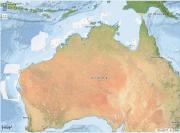
Researchers from Project D1 of the Marine Biodiversity Hub of the National Environmental Science Programme present this interactive map-based summary of where brittle stars are known to exist in the Commonwealth Marine Reserves of the N and NW regions.
Published on
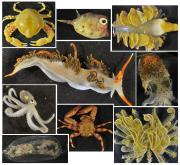
In partnership with the Western Australian Department of Parks and Wildlife, Western Australian Marine Science Institution scientists on the Australian Institute of Marine Science vessel RV Solander recently spent 15 days in the field collecting data to help determine what flatback sea turtles in north-western Australia eat.
Published on
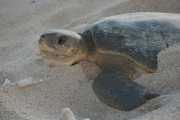
Flatback sea turtles (Natator depressus) are endemic to northern Australia and one of only two sea turtle species that are not distributed globally (7 species in total). Nesting occurs only on tropical Australian beaches, many in NW Australia’s remote Kimberley region.
Published on
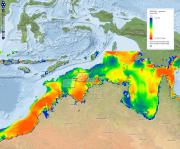
Water flowing along the sediments (mud, sand, gravel, rocks) that make up the ocean floor can move them (sediment transport) given sufficient energy (shear stress).
Published on
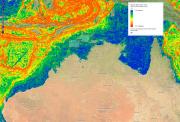
The topography of the seafloor can play a major role in determining what types and abundance of organisms can survive there as it controls water circulation (read how it works).
Published on
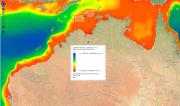
Turbidity is a measure of the cloudiness of water caused by suspended particles (so small that they are usually invisible to the naked eye) that limit the transmission of light through the water.
Published on
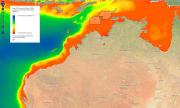
Much of life on earth ultimately depends on the capture of energy from the sun and its translation into energy via photosynthesis.
Published on
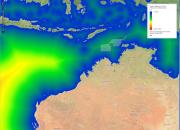
Use the interactive map below to see the relative distance of the Oceanic Shoals CMR from shore compared to other CMRs. Click on the four-arrow icon to activate the interactive map. You then click on the 'Commonwealth Marine Reserve boundaries' data layer to see how the Oceanic Shoals compares to the other CMRs. How to use the map Click on this icon at the top left of the map to see a full screen version.
Click on this icon also at the top left of the map to zoom in closer to (+) or further from (-) the map.