
Map Gallery
Published on
Researchers from Project D1 of the Marine Biodiversity Hub of the National Environmental Science Programme present this interactive map-based summary of where polychaetes are known to exist in the Commonwealth Marine Reserves of the N and NW regions.
Published on
Researchers from Project D1 of the Marine Biodiversity Hub of the National Environmental Science Programme present this interactive map-based summary of where pelagic sharks & rays are known to exist in the Commonwealth Marine Reserves of the N and NW regions.
Published on
Researchers from Project D1 of the Marine Biodiversity Hub of the National Environmental Science Programme present this interactive map-based summary of where pelagic fish are known to exist in the Commonwealth Marine Reserves of the N and NW regions.
Published on
Researchers from Project D1 of the Marine Biodiversity Hub of the National Environmental Science Programme present this interactive map-based summary of where molluscs are known to exist in the Commonwealth Marine Reserves of the N and NW regions.
Published on
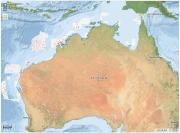
Researchers from Project D1 of the Marine Biodiversity Hub of the National Environmental Science Programme present this interactive map-based summary of where marine mammals are known to exist in the Commonwealth Marine Reserves of the N and NW regions.
Published on
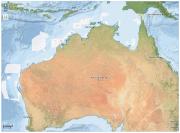
Researchers from Project D1 of the Marine Biodiversity Hub of the National Environmental Science Programme present this interactive map-based summary of where hard corals are known to exist in the Commonwealth Marine Reserves of the N and NW regions.
Published on
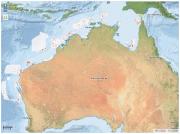
Researchers from Project D1 of the Marine Biodiversity Hub of the National Environmental Science Programme present this interactive map-based summary of where demersal sharks and rays are known to exist in the Commonwealth Marine Reserves of the N and NW regions.
Published on
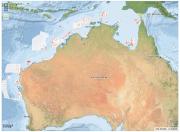
Researchers from Project D1 of the Marine Biodiversity Hub of the National Environmental Science Programme present this interactive map-based summary of where demersal fish are known to exist in the Commonwealth Marine Reserves of the N and NW regions.
Published on
Researchers from Project D1 of the Marine Biodiversity Hub of the National Environmental Science Programme present this interactive map-based summary of where brittle stars are known to exist in the Commonwealth Marine Reserves of the N and NW regions.
Published on
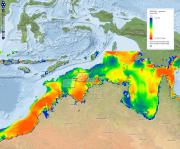
Water flowing along the sediments (mud, sand, gravel, rocks) that make up the ocean floor can move them (sediment transport) given sufficient energy (shear stress).
Published on
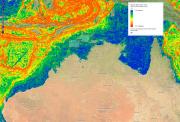
The topography of the seafloor can play a major role in determining what types and abundance of organisms can survive there as it controls water circulation (read how it works).
Published on
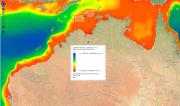
Turbidity is a measure of the cloudiness of water caused by suspended particles (so small that they are usually invisible to the naked eye) that limit the transmission of light through the water.
Published on
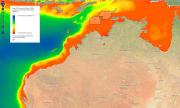
Much of life on earth ultimately depends on the capture of energy from the sun and its translation into energy via photosynthesis.
Published on
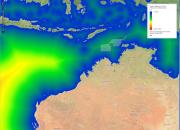
Use the interactive map below to see the relative distance of the Oceanic Shoals CMR from shore compared to other CMRs. Click on the four-arrow icon to activate the interactive map. You then click on the 'Commonwealth Marine Reserve boundaries' data layer to see how the Oceanic Shoals compares to the other CMRs. How to use the map Click on this icon at the top left of the map to see a full screen version.
Click on this icon also at the top left of the map to zoom in closer to (+) or further from (-) the map.
Published on
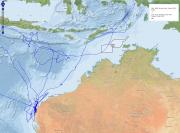
The Whale Shark is listed as vulnerable and migratory under Australia's Environment Protection and Biodiversity Conservation Act 1999 Act.
Published on
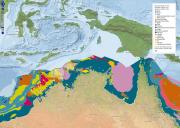
Geomorphology is a major driver of the type and abundance of organisms living on and near the sea floor. Much work has been done to define and characterise ocean geomorphology at spatial scales ranging from the entire world's oceans to the NW Australian region.
Use the interactive map below to see what geomorphological features occur within and beyond the Oceanic Shoals CMR. How to use the map Click on this icon at the top left of the map to see a full screen version.
Click on this icon also at the top left of the map to zoom in closer to (+) or further from (-) the map.
Published on
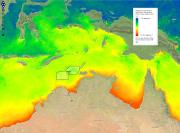
Sea surface temperature is the measure of how hot or corld the water in the ocean is at a given time and place.
Published on
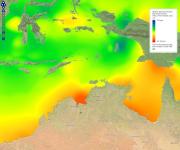
Salinity is the measure of how much salt is in the ocean at a given time and place (why is the ocean salty?).
Published on
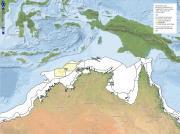
The Integrated Marine and Coastal Regionalisation of Australia (IMCRA v4.0) classified Australia's marine environment into ecologically relevant bioregions for regional planning.
Published on
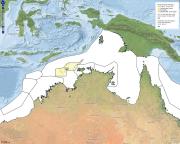
Coral reefs support a diverse array of life, including hard and soft corals, sponges, macroalgae and fish.